
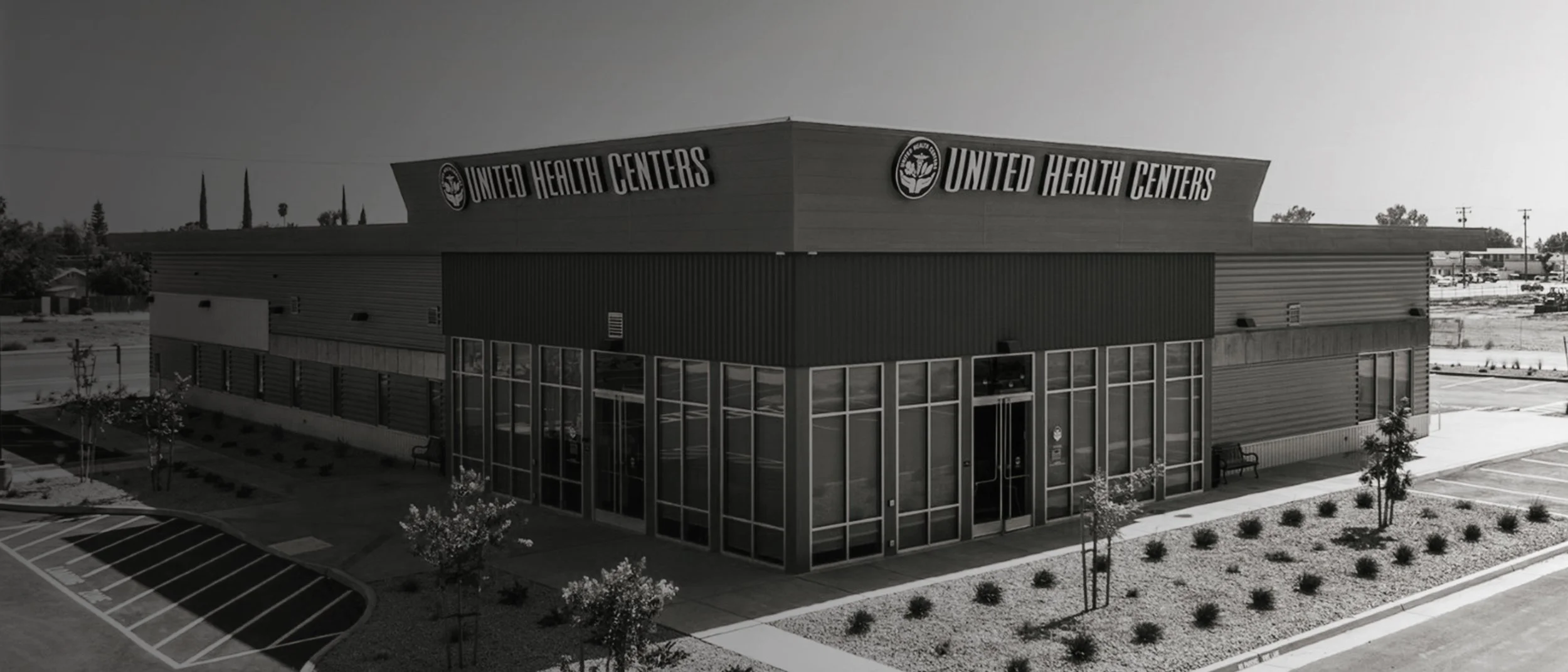


How We Use Data.
Data is the foundation of strategic decision-making.
We leverage customized data analytics to guide facility development, service expansion, and long-term growth strategies that strengthen community health, wellness, and organizational sustainability. Our tailored analysis evaluates unmet need, market penetration, demographic and population trends, service utilization patterns, and geographic eligibility for facility funding and incentive programs to help clients make informed, sustainable investments in infrastructure, programming, and service delivery.
This data also supports the development of comprehensive Needs Assessments, which are structured, evidence-based evaluations that identify gaps between current services and community needs. These assessments provide clear, actionable insights that support strategic planning, funding applications, program development, and effective resource allocation.
Our process begins with comprehensive needs assessments combined with performance, market, and community data analysis to evaluate opportunity, demand, and long-term sustainability.
By identifying service gaps, growth potential, and emerging trends, we help organizations determine where investments will have the greatest operational and community impact. These insights also help strengthen documentation and data support for initiatives such as Service Area Competitions (SAC) and Operational Site Visits (OSV).

Mapping Impact.
We help align projects with sustainable funding opportunities, regulatory pathways, and strategic partnerships. From funding strategy and grant support to designation and scope expansion planning, we help move projects from vision toward successful implementation.
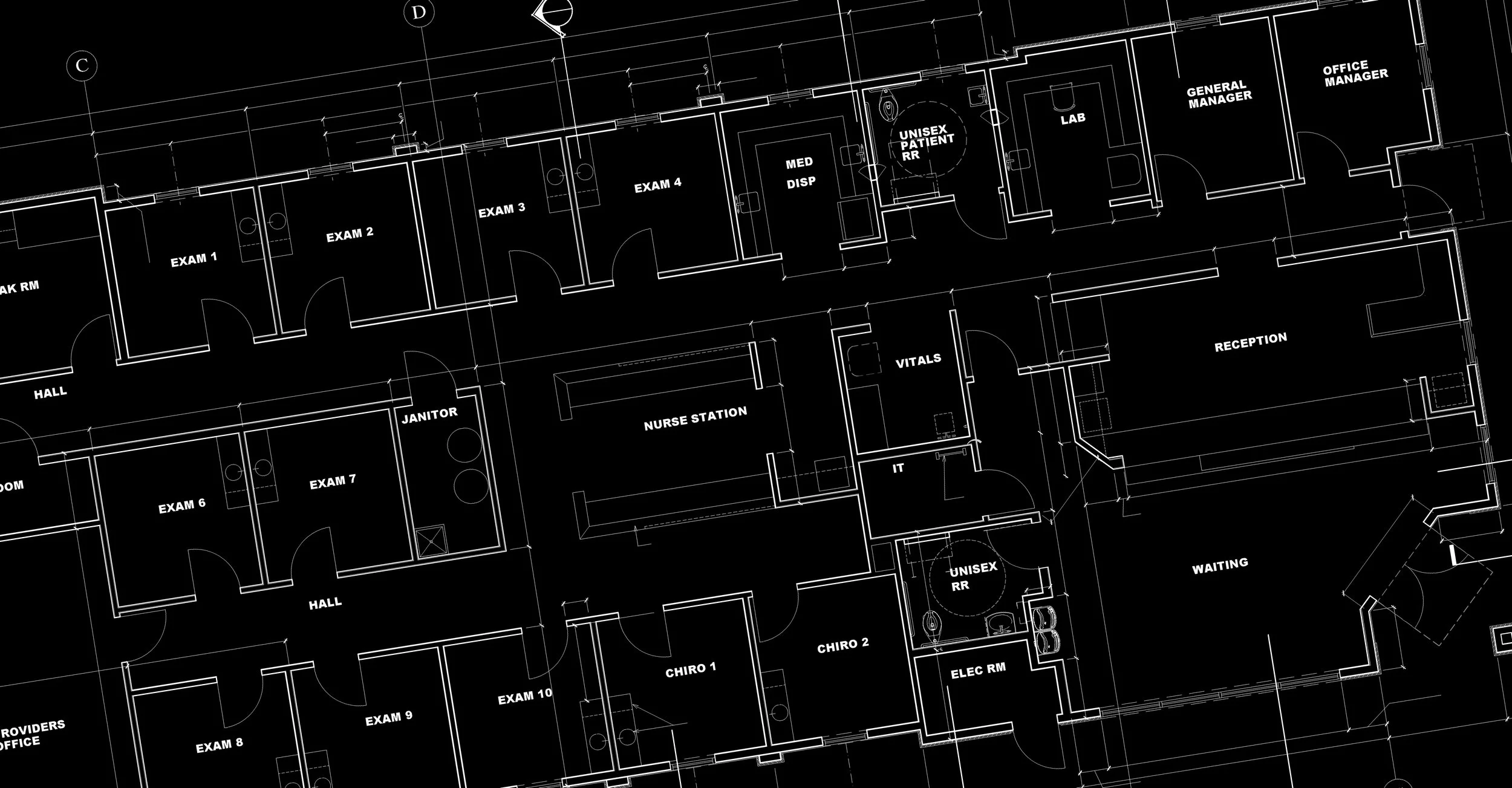
Building Futures.
Our Products.
-
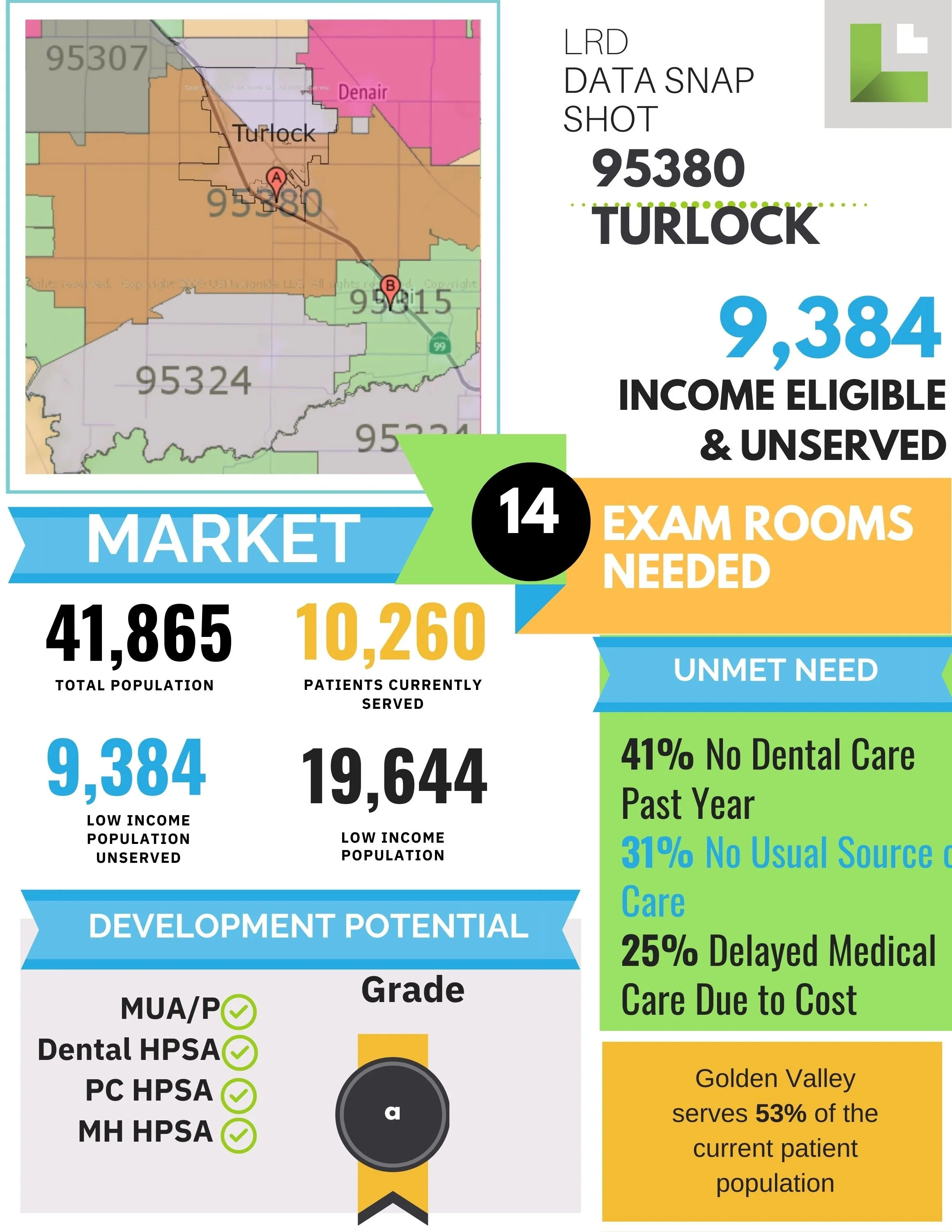
Data Snapshots.
Data snapshots are our primary data product we use to determine feasibility. Each snapshot looks at an individual ZCTA and can be customized based on sector and audience.
-
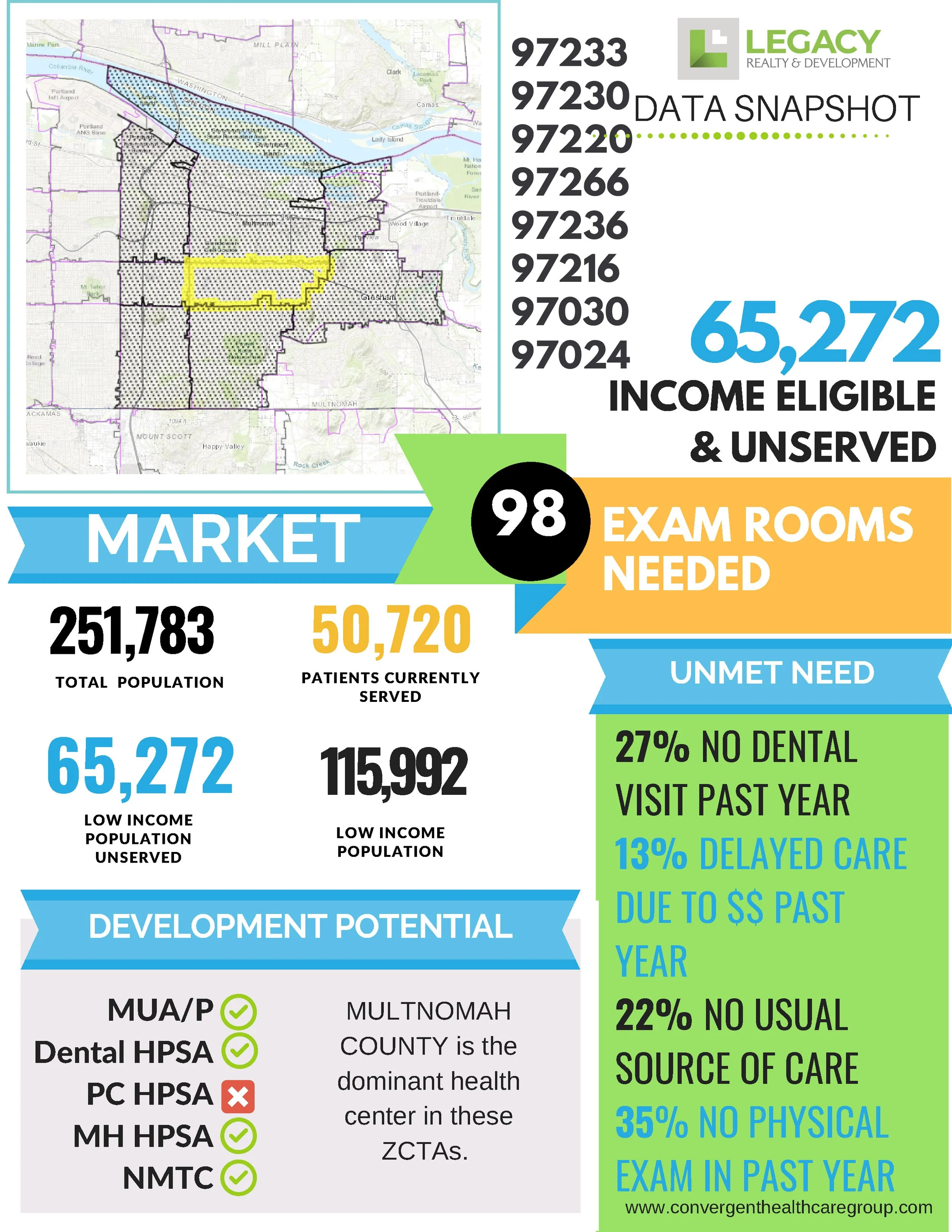
Composite Snapshots.
Composite snapshots are a group of data snapshots used to look at geographically adjacent ZCTA’s to determine feasibility of a larger area.
-
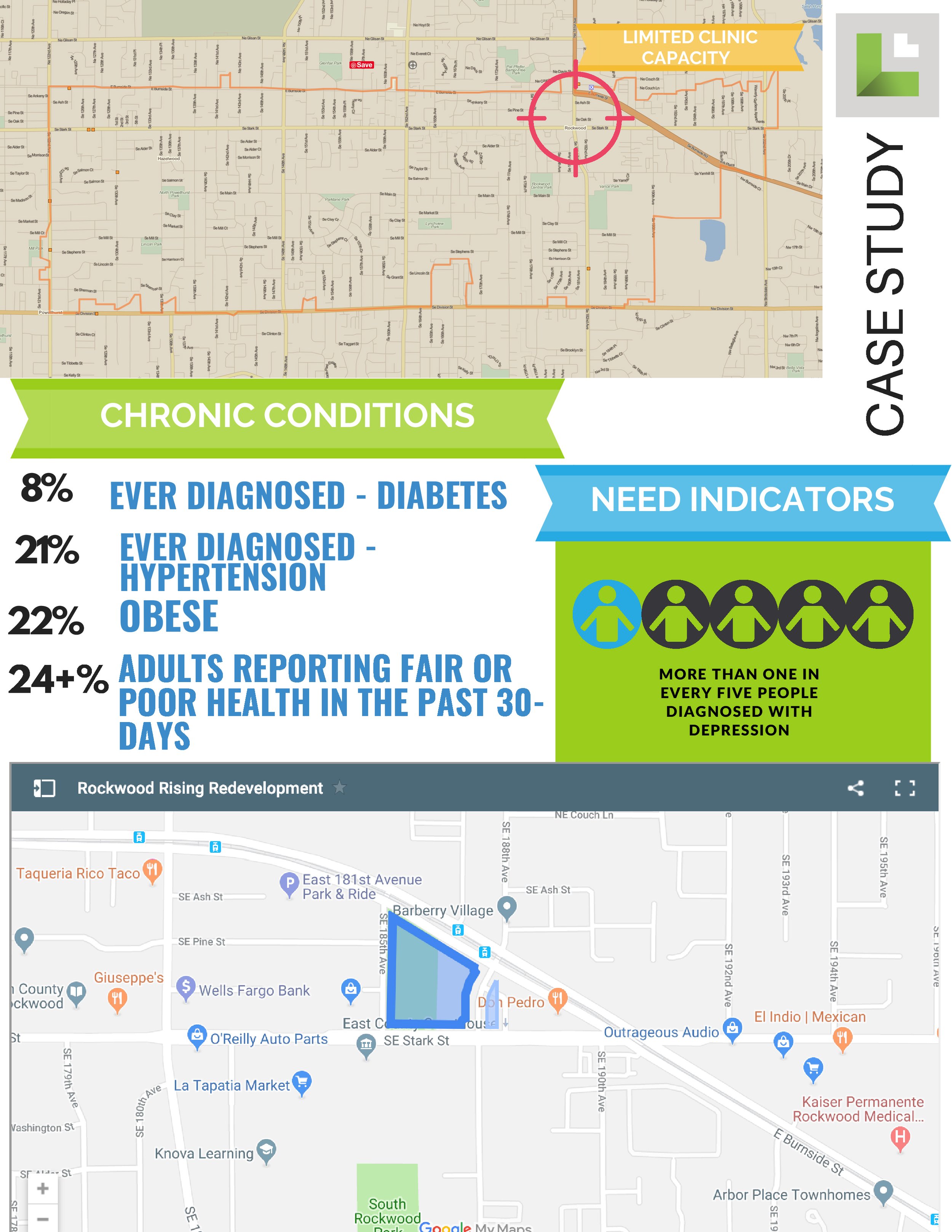
Case Studies.
Case studies serve as a deeper dive into the data analysis. We show just how the data can serve and impact the population.